
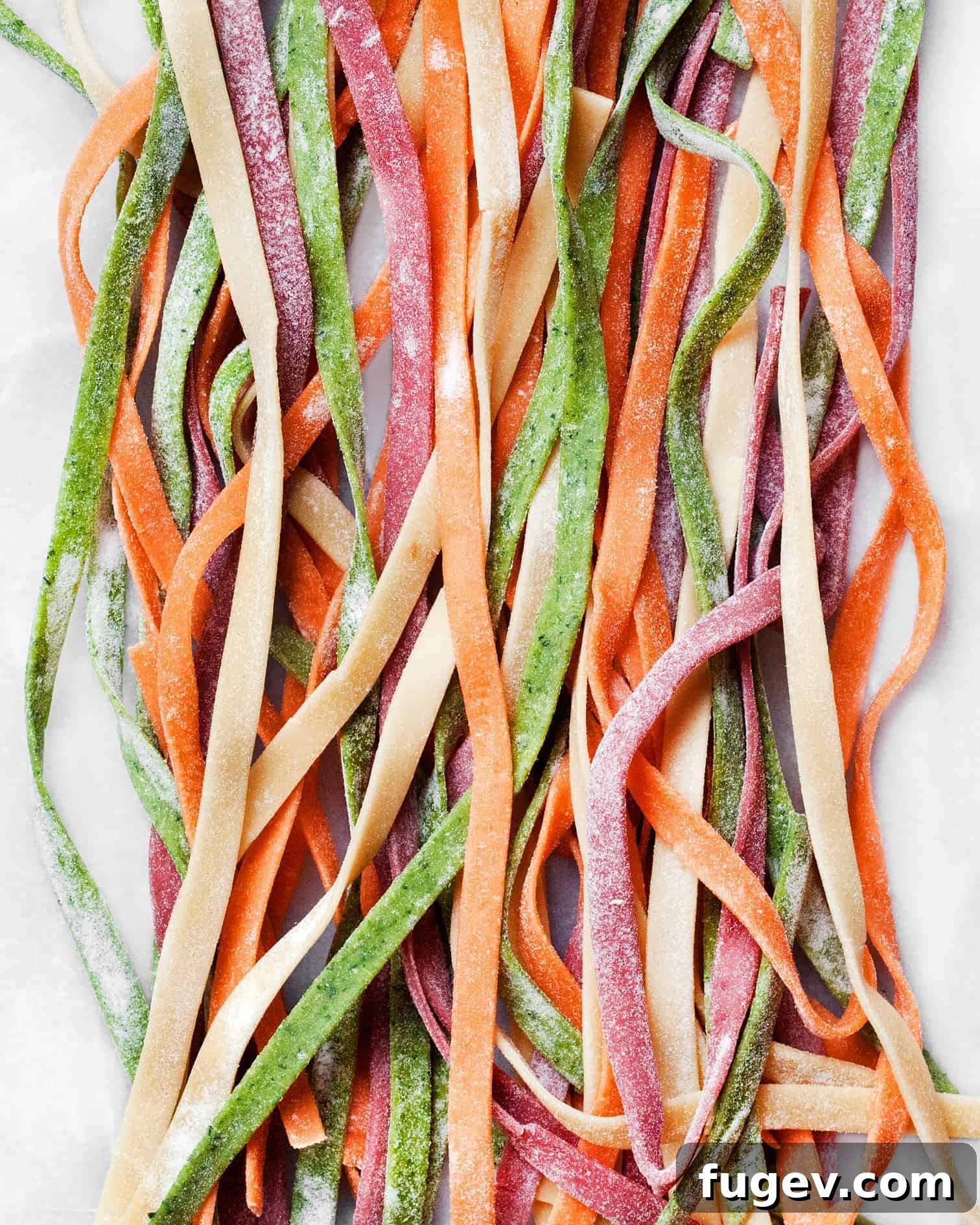
In a world increasingly seeking comfort and creativity within our homes, the simple act of crafting something from scratch has taken on a profound significance. Just as countless home bakers have found solace and joy in kneading loaves of bread, many are discovering the deeply satisfying art of making fresh pasta. Forget the ordinary dried varieties from the grocery shelf; homemade pasta offers an unparalleled depth of flavor and a wonderfully tender texture that transforms any meal into a gourmet experience. Whether you’re a seasoned chef or a kitchen novice, learning to make pasta from scratch is a rewarding journey that opens up a world of culinary possibilities, allowing you to infuse your dishes with personal flair and wholesome ingredients. This guide will walk you through the essential tools and techniques, revealing five vibrant ways to create exquisite pasta, including wholesome vegetable-infused noodles like spinach, carrot, beet, and pumpkin, proving that extraordinary meals begin with simple, fresh ingredients.
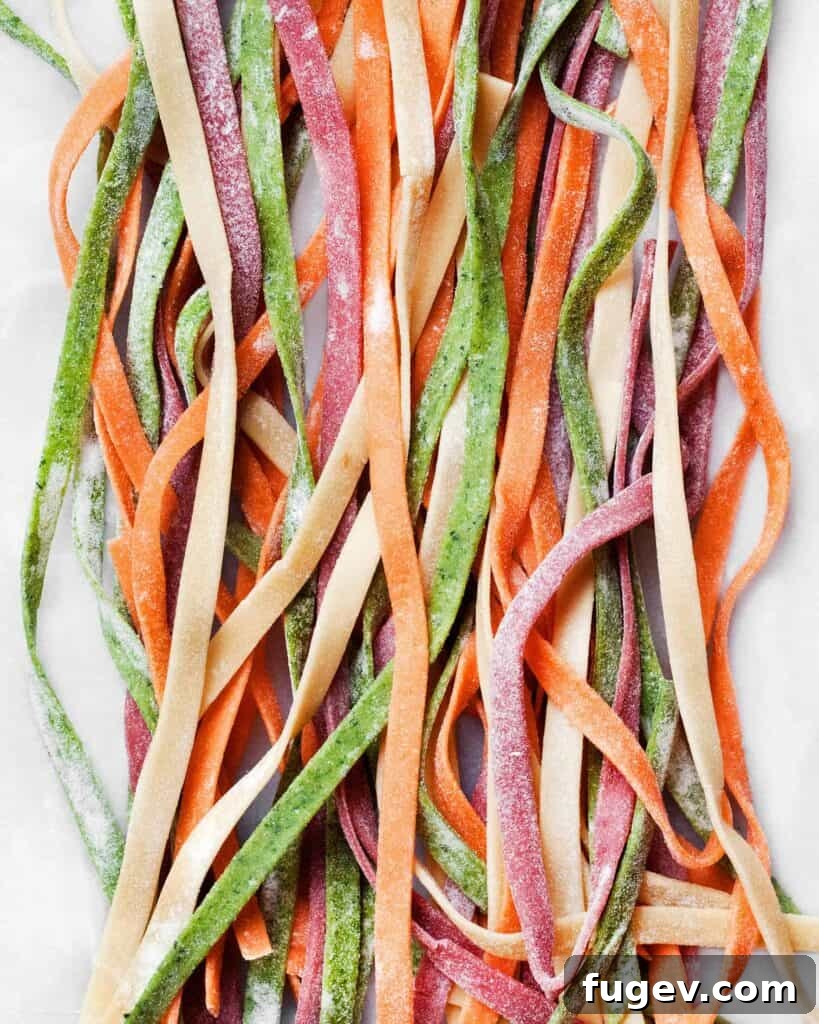
The Unrivaled Joy and Benefits of Homemade Pasta
There’s a unique satisfaction that comes from transforming basic ingredients – flour and eggs – into delicate, flavorful strands of pasta. This hands-on process is not just about cooking; it’s a therapeutic experience, a creative outlet, and a delightful way to connect with your food. Beyond the sheer enjoyment, making fresh pasta at home offers several tangible benefits. Firstly, the taste and texture are simply superior. Fresh pasta boasts a silky, tender bite that dried pasta can’t replicate, absorbing sauces more effectively and delivering a richer flavor profile. Secondly, you have complete control over the ingredients, ensuring no artificial additives or preservatives. This allows for healthier choices, such as incorporating nutrient-rich vegetables directly into the dough, which adds not only beautiful color but also subtle flavors and a boost of vitamins and minerals. Thirdly, it’s a surprisingly economical venture. With just a few staple ingredients, you can create gourmet-quality meals that would cost significantly more at a restaurant. Finally, the quick cooking time of fresh pasta means you can have a delicious, wholesome meal on the table in minutes, far faster than its dried counterpart, making it a perfect option for busy weeknights or special occasions.
Essential Tools for Crafting Fresh Pasta
Embarking on your homemade pasta adventure doesn’t require an arsenal of specialized equipment. While certain tools can streamline the process, the beauty of pasta making lies in its accessibility. You can create incredible fresh pasta with just a few basic kitchen items.
The Dough-Making Process: Food Processor vs. By Hand
For sheer speed and consistency, a food processor is an invaluable tool for making pasta dough. It quickly combines the ingredients, resulting in a cohesive, perfectly kneaded dough in mere minutes. Many home cooks, myself included, find it indispensable not only for pasta but also for crafting pizza and pie doughs with minimal effort. The powerful blades ensure even distribution of ingredients, leading to a smooth and elastic dough that’s a joy to work with.
However, if you don’t own a food processor, fret not! The traditional method of making pasta by hand is just as effective and equally rewarding. Simply mound your flour on a clean counter or in a large bowl, create a well in the center, and crack your eggs directly into it. Using a fork, gradually incorporate the flour from the inner edges into the eggs until a shaggy dough forms. Then, use your hands to knead the dough until it’s smooth and elastic. This method connects you more intimately with the process, allowing you to feel the dough’s transformation firsthand.
A crucial note for vegetable-infused pastas: if your recipe calls for a vegetable puree (like spinach, carrot, or beet), a food processor or a food mill is essential for achieving the necessary smooth consistency. Blending the vegetables into a fine puree ensures they integrate seamlessly into the dough, yielding an even color and texture without chunky bits.
Shaping and Cutting Your Noodles: Pasta Machine vs. Rolling Pin and Knife
While a pasta machine (either a manual hand-cranked model or a stand mixer attachment) offers the ultimate convenience for rolling and cutting uniform noodles, it’s not a prerequisite. A simple rolling pin and a sharp knife or pizza cutter are perfectly adequate for achieving fantastic results. The key is to roll the dough out as thinly as possible – thin enough to see your hand through it – to ensure delicate, quick-cooking pasta. Once rolled, you can fold the dough gently and slice it into your desired noodle shape, whether it’s fettuccine, tagliatelle, or pappardelle. This manual method allows for greater artistic freedom and is a testament to the fact that delicious homemade pasta is achievable for everyone, regardless of their kitchen gadget collection.
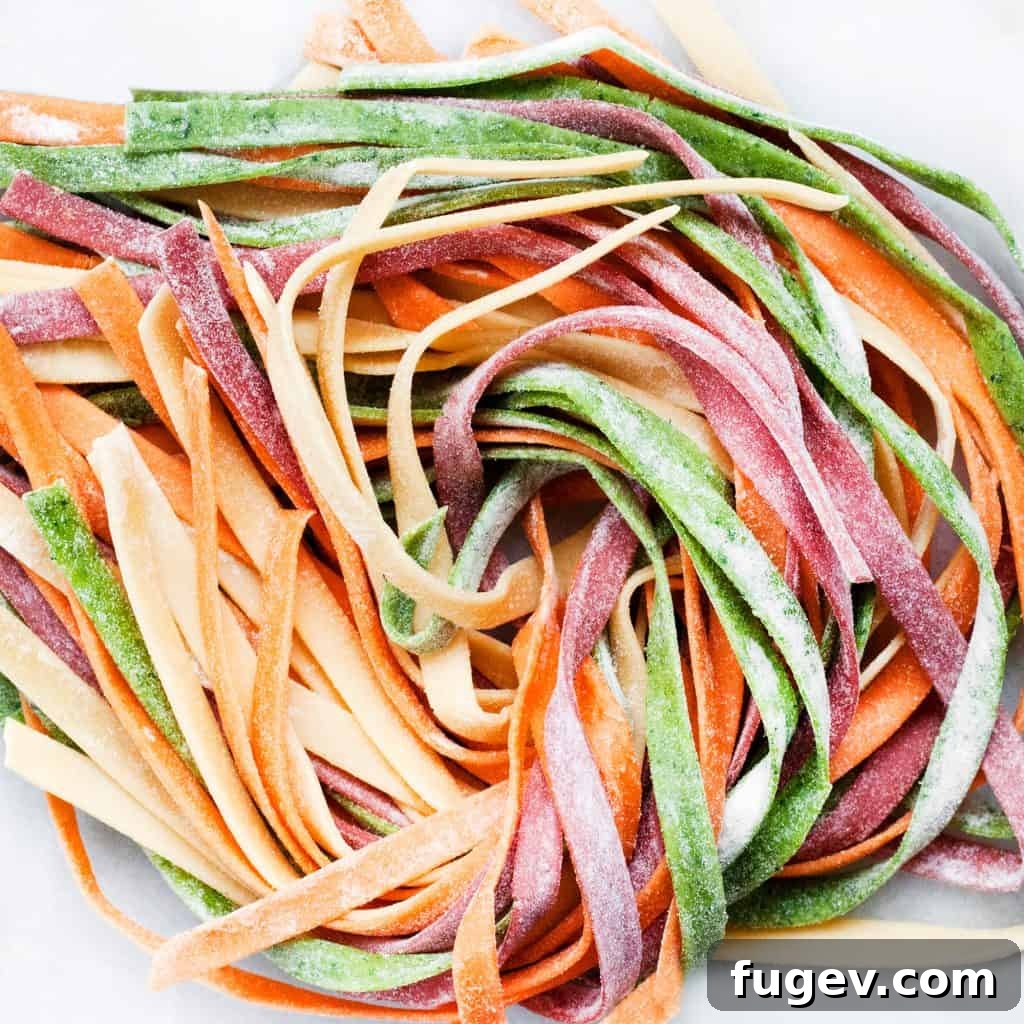
5 Ways to Elevate Your Fresh Pasta from Scratch
The beauty of homemade pasta lies in its versatility. While a classic egg pasta dough is always a winner, incorporating fresh vegetables not only adds stunning colors but also infuses subtle, earthy flavors and a healthy boost of nutrients. These additions transform your pasta into a vibrant culinary canvas, ready to be paired with an array of sauces.
1. Classic Basic Fresh Pasta
There’s nothing truly “basic” about a well-made fresh egg pasta. This foundational recipe is where every pasta-making journey should begin, offering a pure, unadulterated taste of homemade goodness. The texture is unlike anything you’ll find in a box – wonderfully tender, with a delightful chew that perfectly cradles any sauce. Its neutral yet rich flavor profile makes it incredibly versatile, serving as the perfect backdrop for virtually any culinary creation. Whether you envision a bright, herbaceous basil pesto, a robust and savory tomato sauce, or the nutty simplicity of browned butter with sage, basic fresh pasta allows the chosen sauce to truly shine. It’s the ultimate canvas for your culinary artistry, inviting endless variations and explorations of flavor. Mastering this fundamental recipe is the first step to unlocking a world of fresh pasta possibilities.
Recipe: Basic Fresh Pasta
2. Vibrant Fresh Spinach Pasta
For an innovative way to incorporate more greens into your diet, look no further than fresh spinach pasta. This beautifully verdant pasta is a fantastic method to “supercharge” your meal with a generous dose of spinach, often undetectable by even the pickiest eaters. The spinach imparts a subtle, earthy flavor and a stunning, natural green hue to the noodles, transforming an ordinary dish into a visual delight. To prepare, simply blanch and squeeze dry a substantial amount of fresh spinach, then puree it until perfectly smooth before incorporating it into your dough. This method ensures a consistent color and texture throughout. Spinach pasta pairs wonderfully with light cream sauces, lemon-garlic butter, or a simple drizzle of olive oil and Parmesan, allowing its inherent freshness to stand out. It’s a healthy, flavorful, and visually appealing twist on classic pasta that’s sure to impress.
Recipe: Fresh Spinach Pasta
3. Sweet and Earthy Fresh Carrot Pasta
Carrots, a staple in many kitchens for their vibrant color and sweet, earthy flavor, are not just for snacking or roasting; they make an incredible addition to fresh pasta dough. When pureed, carrots lend a beautiful golden-orange hue and a delicate sweetness to your noodles, creating a subtly flavored pasta that’s both nutritious and delicious. This pasta is particularly appealing to children and adults alike, offering a gentle way to introduce more vegetables into their diet. The process involves steaming or boiling carrots until tender, then pureeing them to a silky-smooth consistency before mixing into the flour and eggs. Carrot pasta shines when paired with creamy sauces, a light butter and herb dressing, or even a robust meat ragu, where its sweetness can balance the savory notes. It’s an innovative way to utilize a common vegetable and add a touch of sunshine to your pasta dishes.
Recipe: Fresh Carrot Pasta
4. Daringly Red Fresh Roasted Beet Pasta
Prepare to be mesmerized by the stunning, intense fuchsia color of fresh roasted beet pasta. Beets are culinary chameleons, offering a naturally sweet and earthy flavor that, when roasted, deepens beautifully. This pasta is not just a feast for the eyes but also a delightful treat for the palate, offering a unique flavor profile that complements a variety of sauces. Often, when roasting a batch of beets, you might find yourself with more than you need, making them perfect candidates for pasta dough. Simply roast your beets until tender, peel them, and then puree them until incredibly smooth. For a convenient shortcut, you can even use pre-packaged roasted beets from the grocery store. The deep, vibrant color and subtle sweetness of beet pasta make it an excellent choice for pairing with goat cheese, walnuts, fresh herbs, or a simple lemon-butter sauce. It’s a sophisticated and visually striking pasta that’s sure to be a conversation starter at any meal.
Recipe: Fresh Roasted Beet Pasta
5. Comforting Fresh Pumpkin Pasta
While often associated with autumn desserts like bread or pie, canned pumpkin puree holds a delightful secret: it makes a wonderfully rich and comforting pasta. Unlike other vegetable pastas that require fresh produce preparation, pumpkin pasta offers the convenience of using readily available canned pumpkin puree, making it an accessible option year-round. The pumpkin imparts a beautiful golden hue and a subtle, sweet, and earthy flavor to the pasta, creating noodles that are incredibly tender and have a comforting quality. This pasta is particularly well-suited for hearty, warming dishes. Imagine it tossed in a velvety sage brown butter sauce, a creamy Alfredo, or even a spiced pesto. Its inherent sweetness also makes it a fantastic partner for savory ingredients like sausage or pancetta. Don’t relegate that precious can of pumpkin puree solely to baking; unlock its potential in creating truly unique and soul-satisfying fresh pasta that defies seasonal boundaries.
Recipe: Fresh Pumpkin Pasta
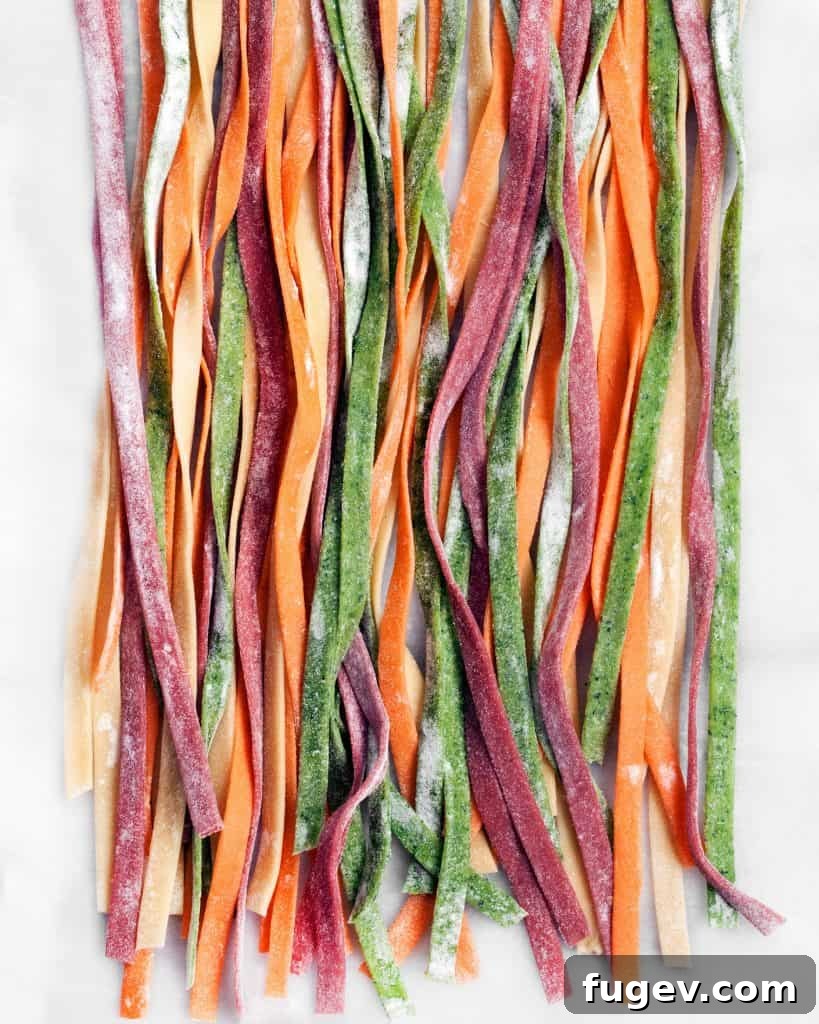
Tips for Perfecting Your Homemade Pasta
Making fresh pasta is a rewarding skill that gets easier with practice. Here are a few essential tips to ensure your homemade noodles turn out perfectly every time:
- Flour Quality Matters: While all-purpose flour works well, many enthusiasts prefer “00” flour, a finely milled Italian flour that creates incredibly silky, tender pasta. Experiment to find your preferred texture.
- Kneading is Key: Don’t skimp on the kneading time. Whether by hand or machine, proper kneading develops the gluten, making the dough elastic and easy to roll. Aim for a dough that feels smooth, supple, and springs back when gently poked.
- Rest the Dough: After kneading, always let your dough rest for at least 30 minutes (or up to an hour) at room temperature, covered tightly in plastic wrap. This allows the gluten to relax, making the dough much easier to roll thinly without tearing or snapping back.
- Work in Batches: If you’re not using a pasta machine, roll out and cut smaller portions of dough at a time. Keep the remaining dough covered to prevent it from drying out.
- Flour Generously: Use semolina flour or a mix of all-purpose and semolina to dust your work surface, dough, and cut noodles. This prevents sticking and ensures your pasta maintains its shape.
- Mind the Thickness: The thinner you roll your dough, the more delicate and faster-cooking your pasta will be. Aim for a thickness where you can almost see your hand through it, especially for delicate shapes.
- Drying Time (Optional but Recommended): For best results and to prevent clumping, slightly dry your fresh pasta before cooking. You can hang it on a pasta drying rack or lay it loosely on a semolina-dusted baking sheet for 20-30 minutes. This helps the pasta hold its shape better during cooking.
- Boil in Abundant Water: Always cook fresh pasta in a large pot of generously salted, rapidly boiling water. This ensures even cooking and prevents the noodles from sticking together. Fresh pasta cooks very quickly, often in 1-4 minutes, so keep a close eye on it.
- Taste Test: The only way to know if your pasta is perfectly al dente is to taste it! It should be tender but still have a slight bite.
Beyond the Five: Endless Customization Possibilities
These five vibrant ways to make pasta from scratch are merely a starting point for the incredible diversity you can achieve in your kitchen. Once you master the basic techniques, the possibilities for customization are truly limitless. Imagine incorporating herbs like basil or parsley for fragrant green noodles, experimenting with spices such as turmeric for a golden hue and subtle flavor, or even adding squid ink for dramatic black pasta. You can play with different flour combinations, incorporate various pureed vegetables like sweet potato or bell pepper, or explore unique shapes and fillings for ravioli and tortellini. Homemade pasta is not just a dish; it’s an expression of creativity, an exploration of flavors, and a testament to the joy of cooking from the heart. Embrace the journey, experiment with new ingredients, and delight in the incredible satisfaction of creating fresh, delicious pasta tailored precisely to your taste.